Introduction
Healthy, strong, and shiny hair is a reflection of overall wellness and self-care. Achieving consistent hair growth requires a blend of proper nutrition, effective haircare routines, and the right lifestyle habits. While genetics do play a role, adopting certain strategies can significantly enhance hair health and promote growth. Understanding the science behind hair and following proven tips can help you maintain luscious, resilient hair.
Understanding Hair Growth
Hair grows in cycles, including the anagen (growth), catagen (transition), and telogen (resting) phases. The anagen phase determines the length of your hair, lasting anywhere from two to six years. Maintaining a healthy scalp and nourishing hair follicles are crucial to supporting these growth cycles. Damage to the hair shaft or unhealthy follicles can result in breakage and slower growth, emphasizing the importance of preventive care and gentle handling.
Balanced Nutrition for Hair Growth
What you eat directly affects your hair’s health. Proteins, vitamins, and minerals are essential for building strong hair. Protein-rich foods like eggs, fish, and legumes provide keratin, the primary protein in hair. Vitamins such as biotin, vitamin D, and vitamin E strengthen strands and prevent hair thinning. Iron and zinc also support follicle function, reducing hair loss. Hydration is equally important, as water keeps hair flexible, minimizes breakage, and maintains a healthy scalp. Eating a colorful diet with leafy greens, nuts, and fruits provides antioxidants that combat oxidative stress affecting hair follicles.
Proper Hair Washing Techniques
Washing hair may seem straightforward, but technique matters. Overwashing can strip natural oils, leaving hair dry and brittle, while under-washing can cause scalp buildup and clogged follicles. Use a mild, sulfate-free shampoo suited to your hair type, and massage the scalp gently to stimulate circulation. Avoid hot water, which can weaken hair proteins; opt for lukewarm water instead. Follow with a nourishing conditioner, focusing on the hair ends, which are more prone to damage. Regular washing combined with gentle care supports a healthy scalp environment for growth.
Scalp Care and Massage
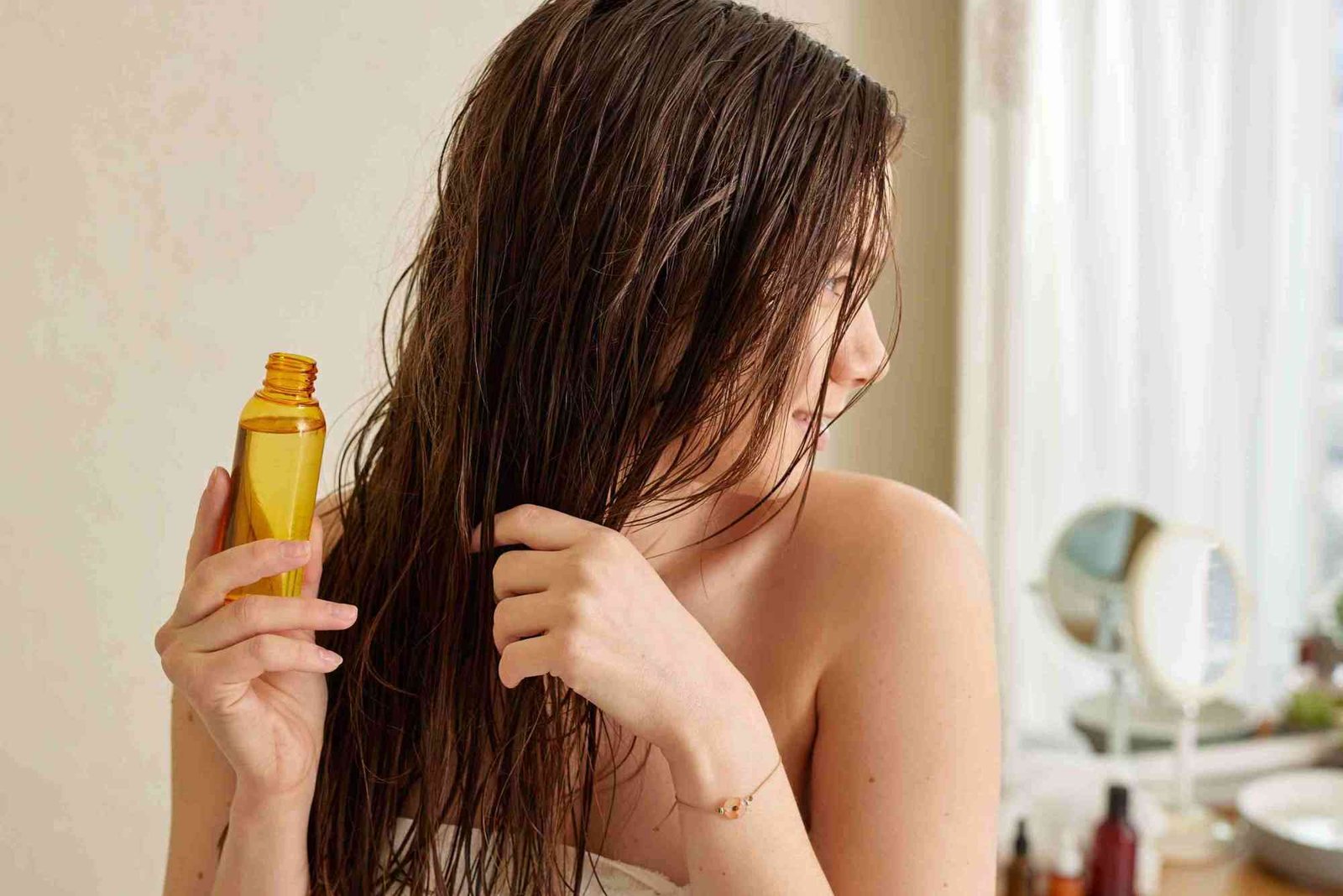
A healthy scalp is the foundation of healthy hair. Regular scalp massages improve blood circulation, delivering nutrients to hair follicles and encouraging growth. Natural oils like coconut, argan, or castor oil can be applied during massage to provide additional nourishment. Avoid scratching or using harsh chemicals on the scalp, as irritation can slow growth and cause hair loss. Exfoliating the scalp occasionally removes dead skin cells and promotes a cleaner, healthier environment for new strands to thrive.
Avoiding Heat and Chemical Damage
Excessive heat styling and chemical treatments are common causes of hair damage. Frequent use of hair dryers, straighteners, and curling irons can break the hair shaft and weaken strands. Chemical treatments like bleaching, perming, or coloring can also strip moisture and damage the follicle structure. To promote healthy growth, limit heat exposure, use heat protectants, and choose gentle treatments. Air-drying hair and embracing natural textures reduce stress on hair and maintain its integrity over time.
Trimming and Hair Maintenance
Regular trimming does not directly affect growth from the roots but prevents split ends, which can travel up the shaft and cause breakage. Healthy ends mean hair appears thicker and longer over time. Aim for trims every six to eight weeks, depending on hair type and condition. Proper detangling is also essential. Use wide-toothed combs, avoid tugging, and start from the ends, gradually moving upward to prevent unnecessary breakage.
Choosing the Right Hair Products
Selecting suitable hair products is essential for maintaining growth. Shampoos, conditioners, and treatments should address your specific hair type and concerns. For dry hair, moisturizing formulations help retain water; for oily hair, lightweight, balancing products are ideal. Avoid products with harsh sulfates, parabens, or synthetic fragrances that can irritate the scalp or damage strands. Incorporating serums, leave-in conditioners, or growth-stimulating treatments can further enhance strength and shine.
Lifestyle Habits That Affect Hair
Lifestyle choices play a significant role in hair health. Stress increases cortisol levels, which can trigger hair shedding. Practicing mindfulness, yoga, or meditation helps manage stress and supports natural growth. Adequate sleep allows cellular repair and recovery, essential for follicle function. Physical activity boosts circulation, ensuring nutrients reach hair roots effectively. Smoking and excessive alcohol consumption can impair hair growth, so moderating these habits improves overall hair condition.
Protecting Hair from Environmental Stress
Environmental factors like sun exposure, pollution, and harsh weather can damage hair. UV rays weaken hair proteins, causing dryness and color fading. Wind and pollution can lead to tangling and scalp buildup. Protect hair by wearing hats, using UV-protective sprays, and rinsing hair after exposure to pollutants or chlorine. Covering hair during extreme weather conditions preserves moisture and prevents breakage, supporting consistent growth.
Home Remedies and Natural Treatments
Natural treatments have been used for centuries to promote hair health. Coconut oil penetrates the hair shaft, reducing protein loss, while aloe vera soothes the scalp and promotes hydration. Onion juice has sulfur compounds that strengthen follicles, and green tea offers antioxidants that combat hair aging. Consistent application of natural remedies, combined with a balanced routine, enhances hair quality and supports growth without harsh chemicals.
Avoiding Common Mistakes
Many habits unknowingly slow hair growth. Over-brushing, tight hairstyles, or using rough hair accessories can cause tension and breakage. Skipping deep conditioning treatments or ignoring scalp health reduces nutrient delivery. Patience is also essential; hair growth takes time, and expecting immediate results can lead to unnecessary stress or overuse of products. Understanding these pitfalls allows for a smarter, more effective approach to haircare.
Supplements for Hair Health
While a balanced diet is ideal, supplements can address specific deficiencies affecting growth. Biotin, collagen, vitamin D, and omega-3 fatty acids support follicle strength and hair density. Consulting a healthcare professional before starting supplements ensures they are necessary and safe, preventing excess intake or interactions with other medications. Used wisely, supplements can complement a healthy routine and enhance visible results.
Maintaining Hair During Seasonal Changes
Hair reacts to temperature and humidity changes. Winter dryness can make hair brittle, while summer humidity increases frizz. Adjusting haircare routines according to the season is crucial. In colder months, use heavier conditioners and oils to retain moisture. During hotter months, protect hair from UV exposure and use lightweight hydrating products to prevent damage. Seasonal adjustments maintain consistent health and growth throughout the year.
Monitoring Progress and Patience
Hair growth is gradual, and visible improvement may take months. Keeping track of hair health through photographs or notes helps assess the effectiveness of routines and products. Celebrating small milestones, like reduced breakage or improved shine, encourages consistency. Patience combined with disciplined care ensures sustainable, long-term results rather than quick fixes that may harm hair.
Achieving healthy, long hair is a journey requiring consistent care, proper nutrition, and mindful lifestyle choices. By following these best haircare tips for healthy growth, you can nurture your strands, prevent damage, and enjoy stronger, shinier hair over time. Every small habit contributes to long-term results, making patience and dedication key. Start implementing these strategies today and see the transformation in your hair’s health. For more expert haircare advice, explore our full guide and discover the products and routines tailored to your hair type.
Choosing the right skincare and makeup items can be overwhelming with so many options available. To ensure you pick products that truly benefit your skin, it’s essential to know what suits your type and lifestyle. Learn expert tips on selecting effective beauty solutions by visiting how to choose the best beauty products.
FAQs
How often should I wash my hair for healthy growth?
Washing 2–3 times a week is generally ideal to balance oil levels and maintain scalp health.
Do natural oils really help hair growth?
Yes, oils like coconut, castor, and argan nourish the scalp, reduce breakage, and strengthen follicles.
Can diet affect hair growth?
Absolutely. Proteins, vitamins, and minerals directly influence follicle health and hair density.
Does trimming hair make it grow faster?
Trimming doesn’t speed root growth but prevents split ends, promoting healthier-looking hair over time.
What are common mistakes that slow hair growth?
Overuse of heat, tight hairstyles, harsh chemicals, and neglecting scalp health are key contributors.
Are hair supplements necessary?
Supplements can help if your diet lacks essential nutrients, but consultation with a professional is recommended.
Can stress affect hair growth?
Yes, high stress levels can lead to hair shedding, making stress management crucial for healthy growth.
How long does it take to see results from a new haircare routine?
Results may vary but typically appear within 3–6 months of consistent, proper care.